The Role of Education in Shaping Society and Individual Growth
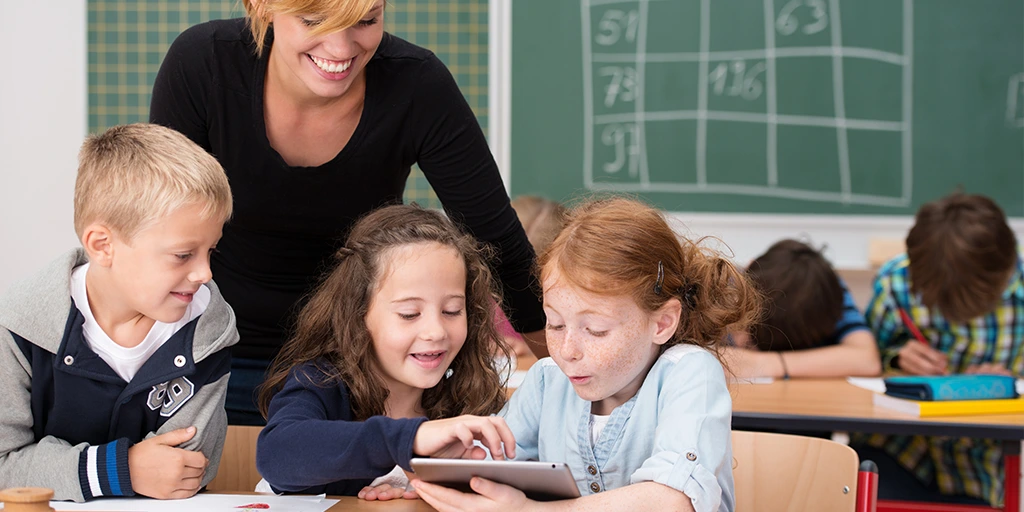
Education has always been a cornerstone of human progress. It goes beyond acquiring knowledge, serving as the foundation for shaping societies, empowering individuals, and preparing future generations for the challenges of life. Today, education is no longer confined to classrooms; it is a lifelong process that influences personal growth, career opportunities, and global development.
Understanding the True Purpose of Education
At its core, education is not just about memorising facts or passing examinations. Its purpose is broader and far more profound:
-
Developing critical thinking skills so individuals can question, analyse, and solve problems effectively.
-
Promoting personal growth by nurturing creativity, discipline, and self-awareness.
-
Equipping learners with practical skills that prepare them for real-life challenges.
-
Encouraging social responsibility by fostering empathy, cooperation, and respect for diversity.
Education, therefore, is not only about academic achievement but also about becoming a well-rounded, responsible member of society.
The Evolution of Education Systems
The way people learn has changed dramatically over centuries. Traditional teaching focused heavily on rote learning and strict discipline. Today, modern education emphasises interactive learning, technology integration, and skill-based approaches.
Key Shifts in Educational Models
-
From teacher-centred to student-centred learning: Students are now encouraged to take an active role in their education.
-
Integration of technology: Digital classrooms, online learning platforms, and AI tools have transformed accessibility and engagement.
-
Focus on lifelong learning: Education continues beyond school and university, with adults seeking new skills throughout their careers.
-
Global perspectives: International collaboration and cross-cultural exchange have become essential in preparing students for a connected world.
Education as a Tool for Social Mobility
One of the most powerful aspects of education is its ability to break cycles of poverty and inequality. Access to quality education can open opportunities that would otherwise remain out of reach. It enables individuals to improve their economic status, pursue meaningful careers, and contribute to their communities.
Ways Education Promotes Equality
-
Provides equal opportunities regardless of social or economic background.
-
Offers pathways to better jobs and financial stability.
-
Encourages social integration by fostering inclusivity and acceptance of diversity.
-
Builds empowered citizens who actively participate in democratic societies.
The Role of Teachers in Education
Teachers remain at the heart of any educational system. While technology supports learning, the human touch of a teacher is irreplaceable. Teachers guide, inspire, and mentor students, helping them to reach their potential.
Qualities of Effective Educators
-
Strong communication skills.
-
Empathy and patience.
-
Ability to adapt teaching methods to different learning styles.
-
Dedication to continuous self-improvement.
Teachers shape not only academic performance but also the values and character of future generations.
The Importance of Lifelong Learning
Education does not stop at graduation. In today’s rapidly changing world, continuous learning is vital for both professional and personal growth. Individuals must constantly adapt to new technologies, workplace demands, and global shifts.
Benefits of Lifelong Learning
-
Keeps skills relevant in evolving industries.
-
Encourages personal development and self-confidence.
-
Strengthens adaptability in uncertain times.
-
Promotes mental agility and resilience in older age.
Lifelong learning reflects the idea that education is a journey, not a destination.
Education and Technology
Technology has revolutionised education in unprecedented ways. Virtual learning environments, online resources, and artificial intelligence tools have made knowledge more accessible than ever.
Positive Impacts of Technology in Education
-
Accessibility: Learners in remote areas can now access quality resources.
-
Flexibility: Online learning allows individuals to learn at their own pace.
-
Engagement: Interactive platforms make learning more stimulating.
-
Global reach: Students can connect with peers and experts worldwide.
However, technology must complement, not replace, human interaction in learning.
Challenges in Modern Education
While education has progressed significantly, challenges remain. These issues highlight the need for continued reform and innovation.
Common Challenges
-
Inequality in access: Not all students have the same opportunities due to economic or geographic barriers.
-
Overemphasis on exams: Excessive focus on test results often undermines creativity and real understanding.
-
Teacher shortages: Many regions struggle to recruit and retain skilled educators.
-
Digital divide: Lack of access to technology creates gaps in learning opportunities.
Addressing these issues requires collaboration between governments, educators, communities, and families.
The Future of Education
Education is evolving towards more inclusive, flexible, and personalised models. The focus is shifting from memorisation to problem-solving and creativity. With the rapid pace of global change, education must adapt to prepare students for unknown challenges.
Emerging Trends
-
Hybrid learning models combining physical and virtual classrooms.
-
AI-driven personalisation in lesson planning.
-
Greater focus on soft skills such as communication, leadership, and adaptability.
-
Global citizenship education to foster responsibility in addressing worldwide issues.
The future promises a more learner-centred, dynamic, and innovative approach.
FAQs on Education
Q1: Why is education important beyond getting a job?
Education enhances personal growth, builds critical thinking, and encourages responsible citizenship. It shapes values, ethics, and decision-making skills that impact all aspects of life.
Q2: How does lifelong learning benefit adults?
Adults who pursue lifelong learning remain adaptable, enhance career prospects, and develop personal interests. It also supports mental health and keeps the mind active.
Q3: Can technology replace traditional classroom education?
Technology enhances learning but cannot replace the human connection between teacher and student. A blended approach is more effective.
Q4: What skills should modern education emphasise?
Alongside academic knowledge, education should focus on creativity, collaboration, digital literacy, and problem-solving to prepare students for the future.
Q5: How can parents contribute to their child’s education?
Parents can support by fostering curiosity at home, encouraging reading, maintaining communication with teachers, and creating a positive learning environment.