
The Future of Electric Vehicles: What Drivers Should Expect
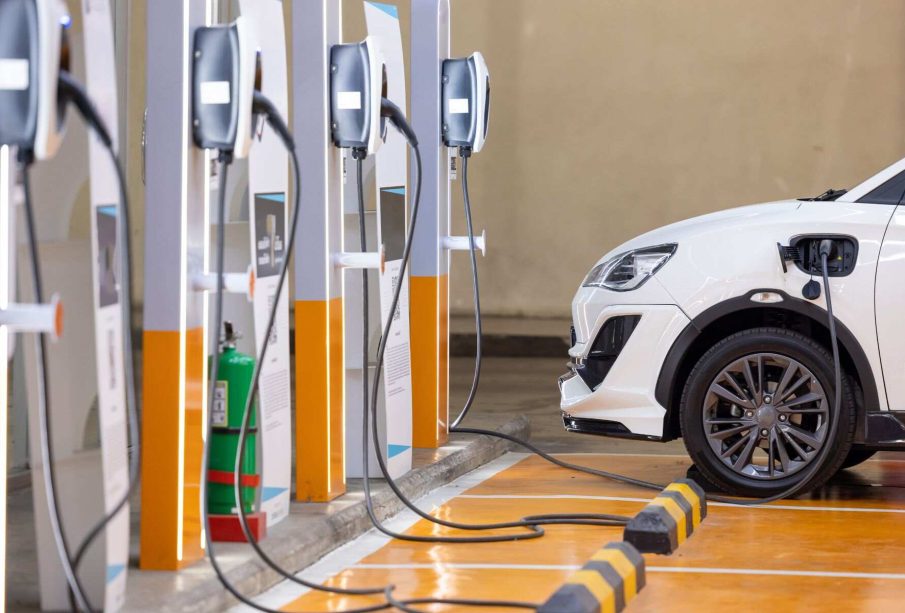
Electric vehicles are moving from niche to normal faster than many expected. What began as an eco-conscious alternative is now shaping the future of personal transportation. For drivers, this shift means more than just swapping a gas pump for a charging cable—it signals changes in cost, convenience, performance, and even how cars fit into daily life.
A New Generation of Batteries
Battery technology is evolving at the core of the electric vehicle revolution. The next wave focuses on higher energy density, longer lifespan, and faster charging, all while improving safety.
Key developments drivers can expect include:
- Extended driving ranges, reducing range anxiety for long trips
- Shorter charging times, with some models aiming for under 15 minutes to reach 80%
- Improved durability, allowing batteries to last the life of the vehicle
Solid-state batteries and advanced lithium chemistries are paving the way for lighter cars with better performance and fewer degradation issues over time.
Charging Will Become Easier and Faster
Public and home charging infrastructure is expanding rapidly. In the near future, charging an electric vehicle will feel far less restrictive than it does today.
What’s changing:
- More fast-charging stations along highways and urban centers
- Smart home chargers that optimize charging during off-peak electricity hours
- Wireless and curbside charging, reducing the need for cables
For drivers, this means less planning around charging stops and more freedom to drive when and where they want.
Lower Costs Beyond the Purchase Price
While electric vehicles can still carry a higher upfront cost, long-term ownership is becoming significantly more affordable.
Savings typically come from:
- Lower energy costs compared to gasoline or diesel
- Reduced maintenance, since electric drivetrains have fewer moving parts
- Software-based upgrades, replacing expensive mechanical modifications
As production scales and battery prices fall, sticker prices are expected to become more competitive with traditional vehicles.
Smarter Cars With Software at the Center
Electric vehicles are increasingly defined by software rather than hardware alone. Over-the-air updates allow cars to improve long after they leave the showroom.
Drivers can expect:
- Regular feature updates, similar to smartphone upgrades
- Advanced driver assistance systems, enhancing safety and comfort
- Personalized driving profiles, adapting to individual habits
This shift turns vehicles into evolving platforms rather than static machines.
Sustainability Beyond Zero Emissions
Future electric vehicles are not just about eliminating tailpipe emissions. Automakers are rethinking materials, manufacturing, and recycling.
Notable trends include:
- Recyclable and bio-based interior materials
- Cleaner manufacturing processes powered by renewable energy
- Second-life battery use, repurposing old batteries for energy storage
For environmentally conscious drivers, this makes electric vehicles part of a broader sustainability ecosystem.
The Driving Experience Will Feel Different
Electric vehicles offer a fundamentally different feel on the road. Instant torque, quiet cabins, and smooth acceleration are becoming the norm.
What drivers often notice:
- Quicker response when accelerating
- Less cabin noise, reducing driving fatigue
- More intuitive controls, with simplified dashboards and touch interfaces
These changes are redefining what people expect from everyday driving.
What This Means for Drivers
The future of electric vehicles points toward greater convenience, lower ownership costs, and smarter technology. As infrastructure improves and innovation continues, choosing an electric vehicle will be less about compromise and more about preference.
For many drivers, the question is no longer if electric vehicles will fit their lifestyle—but when.
Frequently Asked Questions
1. How long will electric vehicle batteries last in real-world driving?
Most modern batteries are designed to last 8–15 years, with gradual capacity loss rather than sudden failure.
2. Will electric vehicles perform well in extreme weather?
Performance can vary, but newer thermal management systems are improving reliability in both hot and cold conditions.
3. Are electric vehicles suitable for long-distance travel?
Yes, especially as fast-charging networks expand and driving ranges continue to increase.
4. How safe are electric vehicles compared to traditional cars?
Electric vehicles often score highly in safety tests due to low centers of gravity and advanced driver assistance systems.
5. Can electric vehicles support the power grid?
Some models are being developed with vehicle-to-grid capabilities, allowing them to supply energy back during peak demand.
6. Will charging an electric vehicle significantly increase home electricity bills?
In most cases, the increase is modest and often still cheaper than fueling a gasoline vehicle.
7. Are electric vehicles becoming more affordable for average drivers?
Yes. Falling battery costs, increased competition, and wider model availability are steadily improving affordability.


